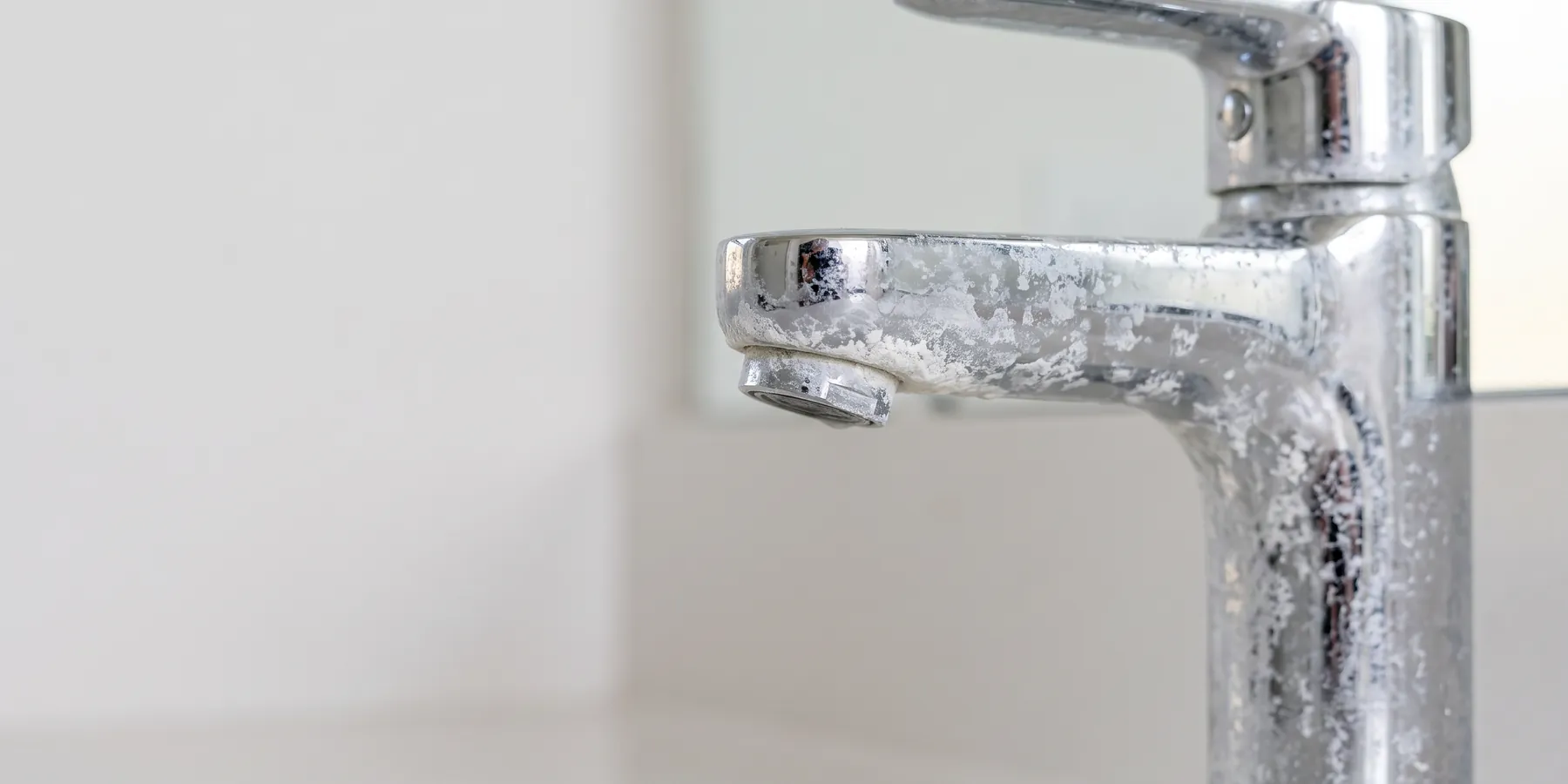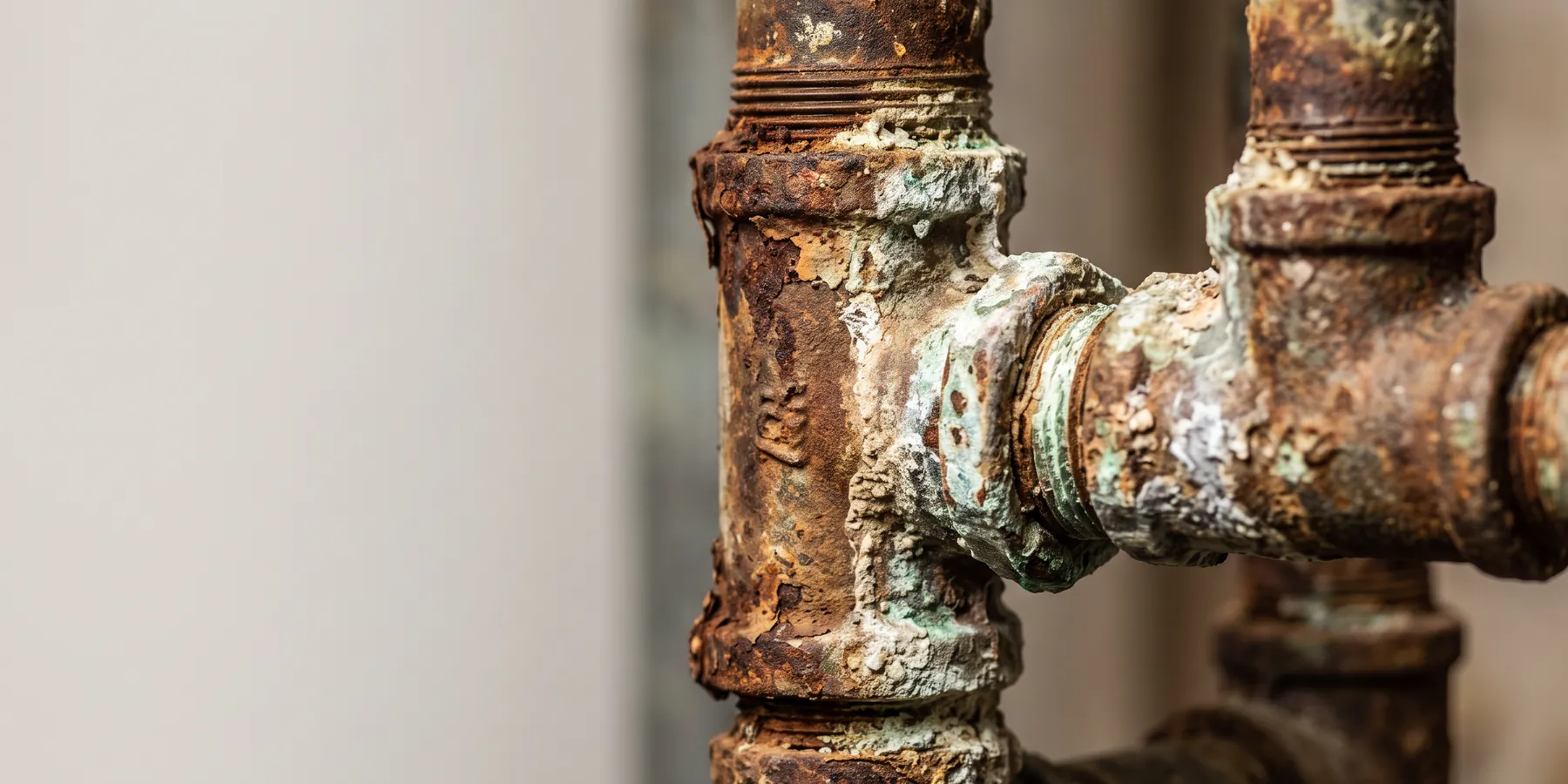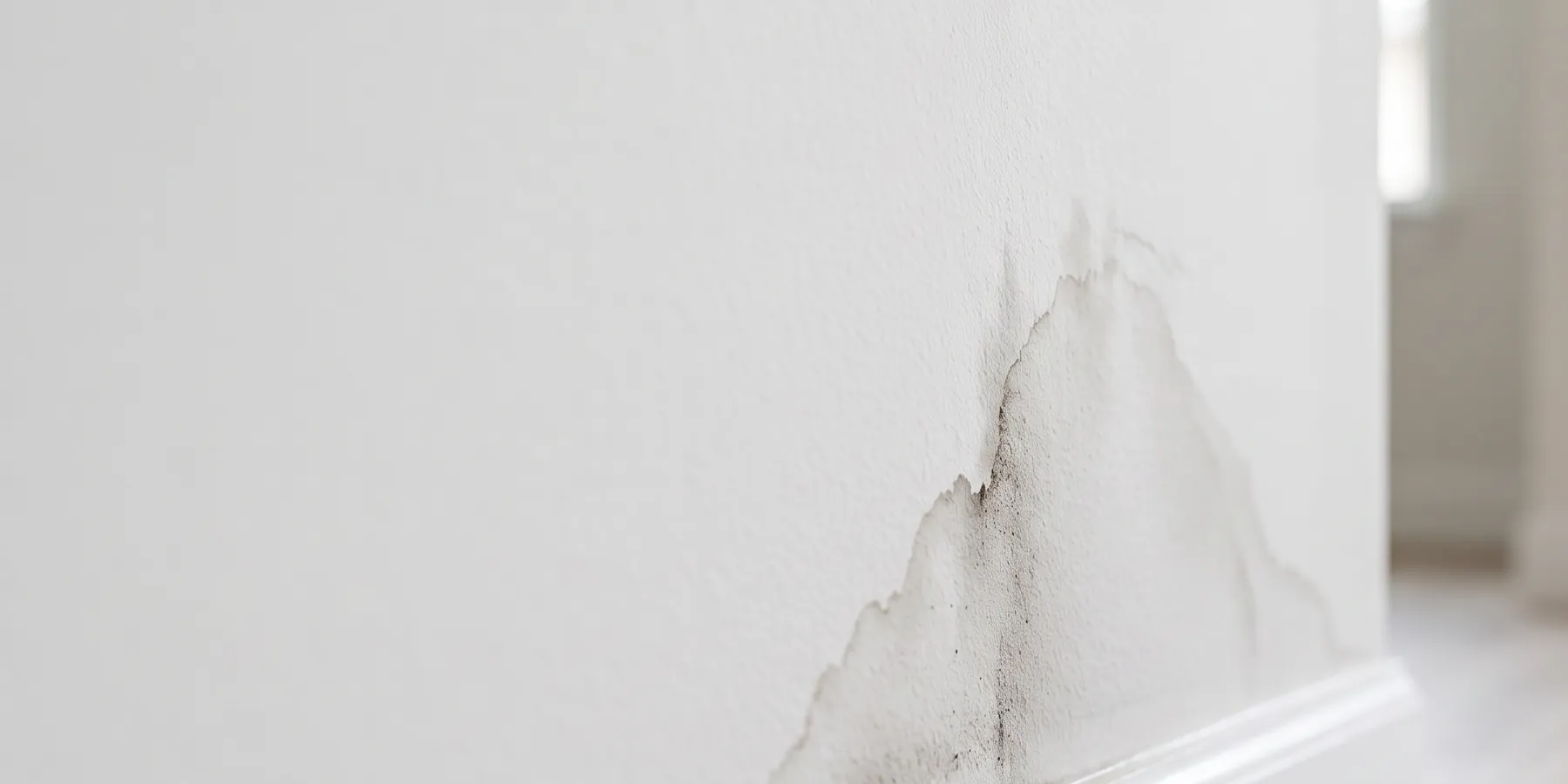
A leak you can't see is still costing you — through your water bill, your foundation, or the drywall you haven't opened up yet.
Why hidden leaks stay hidden for so long
Most hidden leaks aren't dramatic — they're a slow drip inside a slab or wall cavity that never reaches a visible surface. Water finds the path of least resistance, which is often down into the foundation rather than up through your flooring.
- Slab leaks beneath a concrete foundation
- Pinhole leaks inside a wall cavity behind cabinets
- Slow drips at a supply line under a sink or toilet
- Failing pipe joints inside a ceiling or crawlspace
"Nine times out of ten, homeowners already sensed something was off weeks before they called — a warm patch on the tile, a bill that didn't add up. Trust that instinct and get it checked."
Priya Shah · Service Technician
What waiting actually costs
A leak that runs for months doesn't just waste water — it can undermine a slab, feed mold behind drywall, and turn a same-day repair into a multi-week rebuild. Catching it early is almost always the cheaper outcome.
How pros pinpoint a leak without demolition
Finding a hidden leak without tearing a house apart comes down to narrowing the search before anyone picks up a tool. Acoustic listening equipment picks up the specific sound of water moving under pressure through a pipe, even through concrete or drywall, and lets a technician trace that sound along a wall or slab to get close to the source. Thermal imaging adds a second read on the same area, since water moving through a pipe changes the surface temperature just enough for an infrared camera to pick up, which helps confirm a location the acoustic equipment already flagged. Pressure isolation narrows things further still — shutting off sections of the plumbing system one at a time and watching how the pressure responds tells us which line is actually losing water, ruling out everything else. Run those three together and a leak that could be anywhere in a slab or wall cavity gets narrowed down to a spot measured in inches, not feet. That's the difference between opening one small section of wall or floor and tearing out a whole room to go looking for a leak that could be anywhere in it.
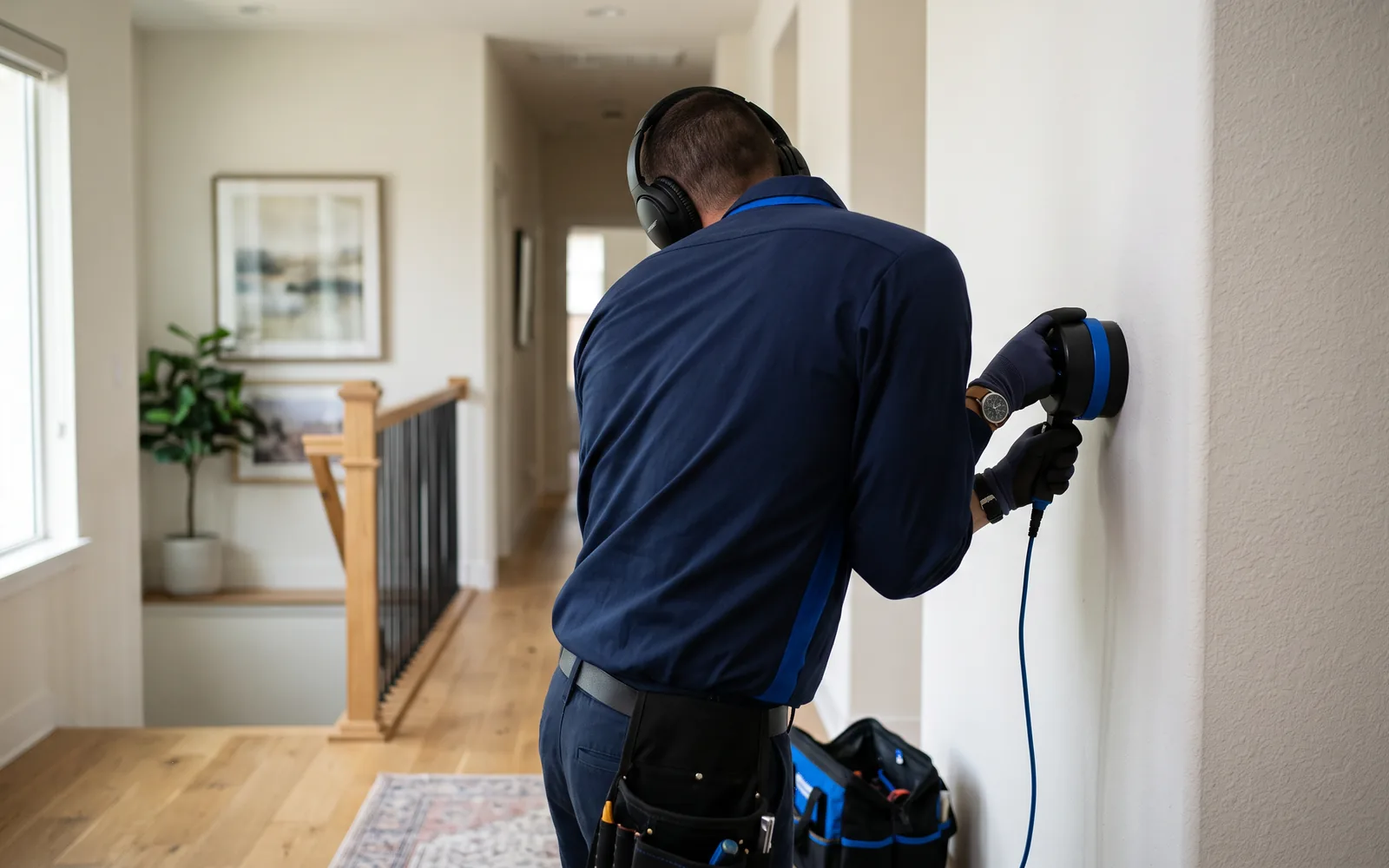
A jump in your water meter reading with everything off, warm spots on the floor, or a musty smell in one room are all signs worth checking. We use listening equipment and thermal imaging to find the leak's exact location before we cut into anything.