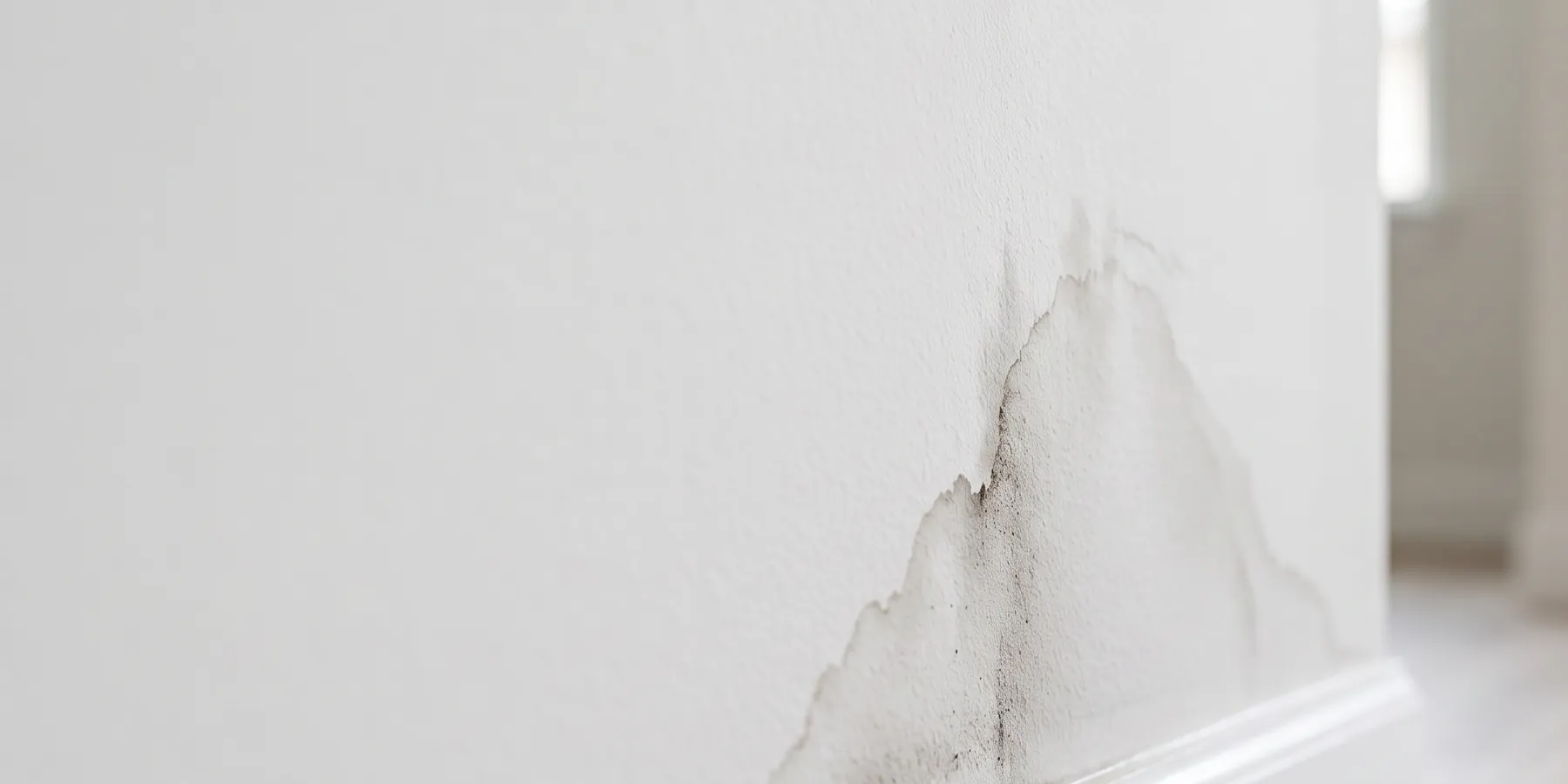
Central Texas sits on some of the hardest water in the state, and most homeowners don't think about it until a fixture fails early or a water heater starts struggling to keep up. Hard water doesn't announce itself — it just quietly shortens the life of everything it touches.
Where the damage shows up first
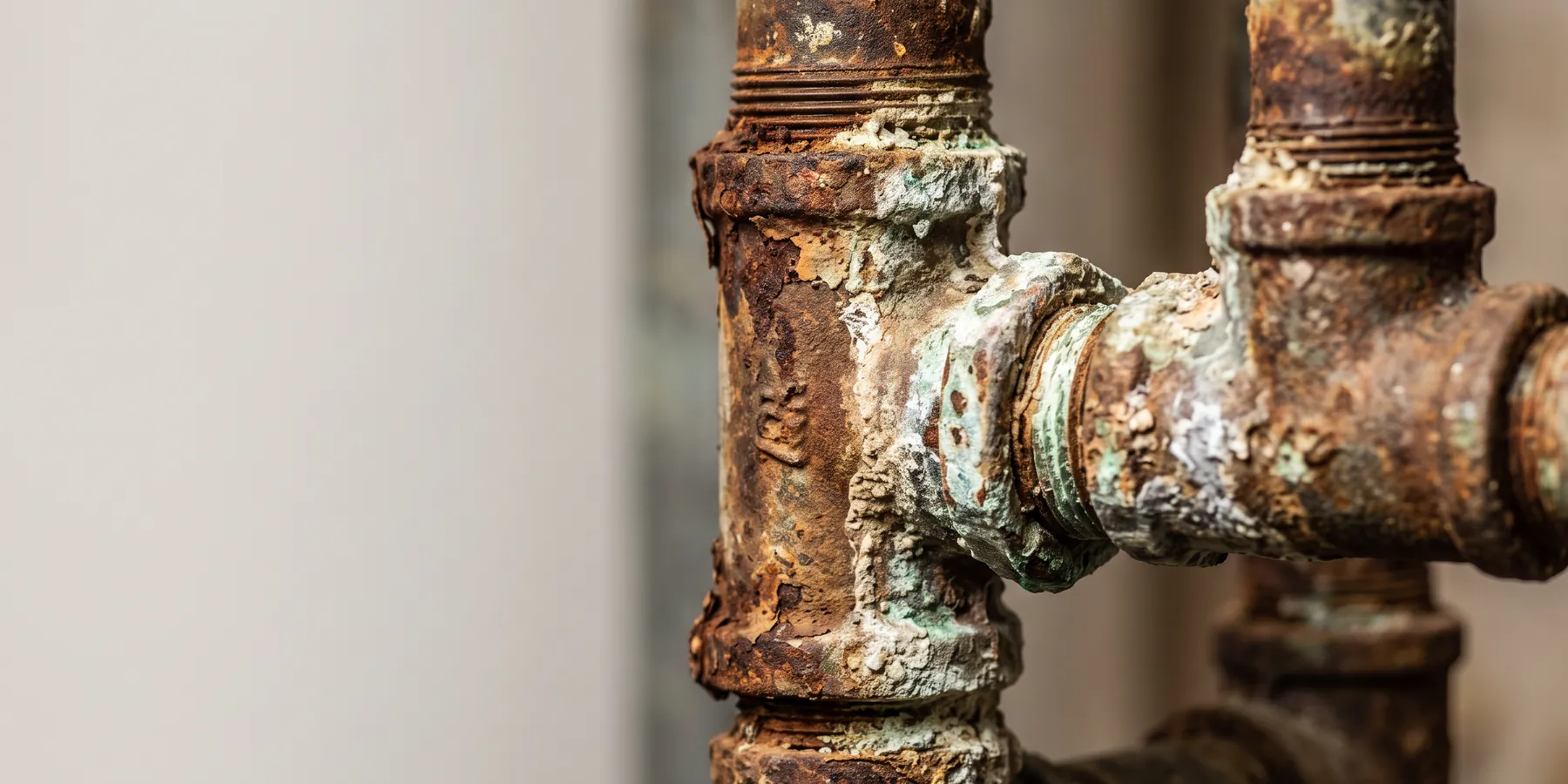
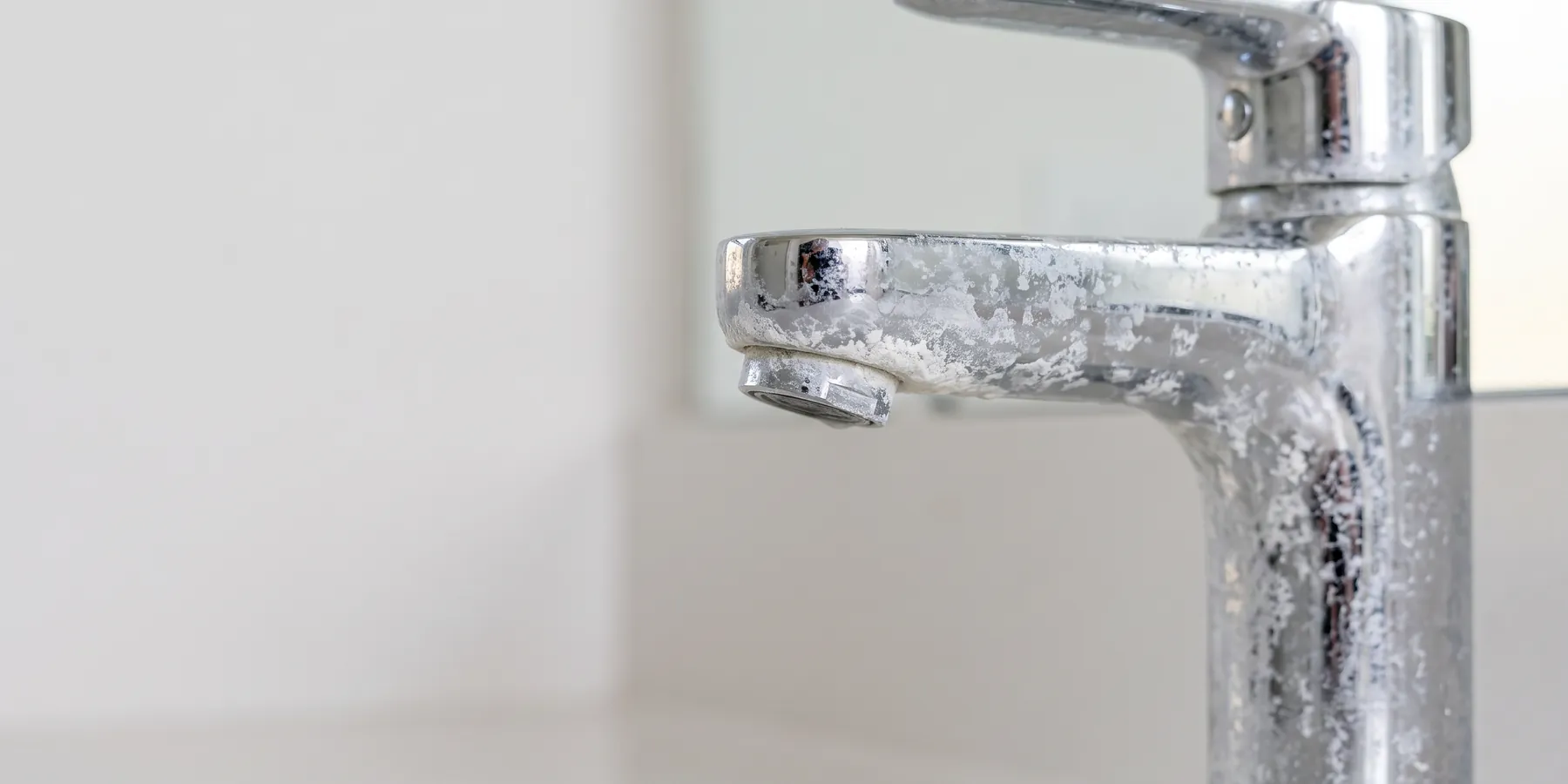
Dissolved calcium and magnesium build up as scale everywhere hot water sits or moves — inside your water heater tank, around faucet aerators, and along the walls of your pipes. The buildup insulates heating elements, narrows pipe diameter, and forces every fixture to work harder than it should.
- Water heaters lose efficiency and fail years ahead of schedule
- Faucets and showerheads lose pressure as mineral deposits narrow the openings
- Spots on dishes and a filmy residue on glass shower doors that won't rinse away
"Most homes we test around Round Rock and Cedar Park come back well above 15 grains per gallon — that's hard enough to scale a tank in half the time it should take."
Marcus Hill · Senior Technician
The hidden cost on your energy bill
A water heater fighting through a layer of scale can burn 20 to 30 percent more energy to deliver the same hot water, and softened water noticeably extends the life of every fixture it touches. It's rarely one dramatic failure — just a slow tax on efficiency until something finally gives out.
What hard water does inside your pipes
Inside a pipe, hard water doesn't announce itself the way a leak does — it just keeps narrowing the space water has to move through. Dissolved minerals settle out along the inner wall of the pipe as scale, and that layer builds a little thicker every year, which is exactly how a line that delivered strong pressure when the house was new ends up feeling weak years later. The effect shows up first at the fixtures farthest from where water enters the house, since they're fighting the most accumulated buildup along the way. It's not just about pressure, either — the same scale forms inside a water heater's tank and around its heating element, which is part of why a heater in hard water territory works harder and burns more energy to deliver the same hot water as one running on softer water. Pipe material matters here too: copper's smooth interior still gives scale something to cling to over time, while PEX's plastic surface is more resistant to buildup, which is one reason it's held up well as a repipe material in Central Texas homes. None of this happens overnight, but it's steady, and it's the reason two identical-looking houses can end up with very different water pressure as the years go by.
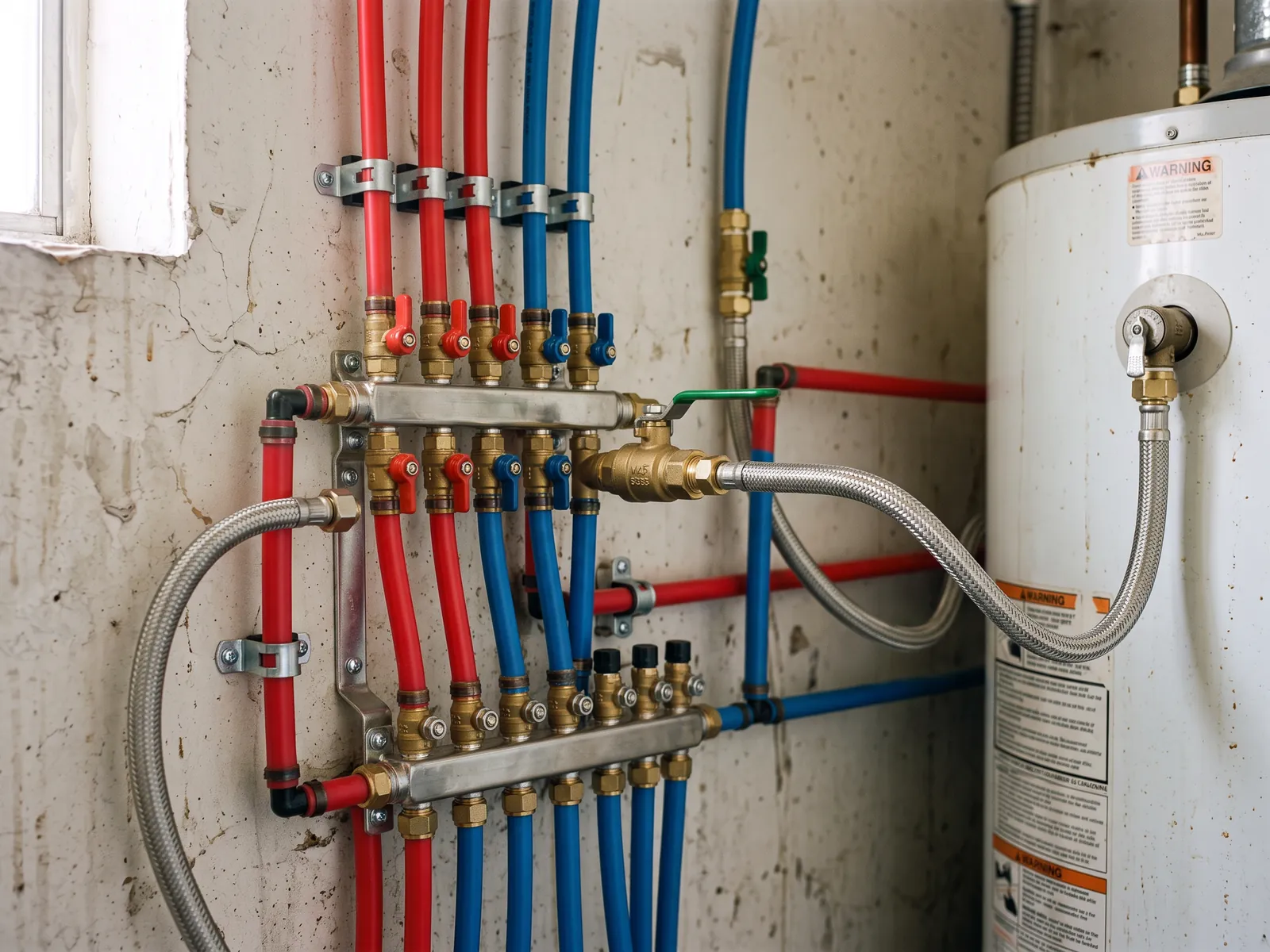
A whole-home softener isn't always necessary, but a heater flush on a regular schedule and the right fixture maintenance go a long way. If your water heater is struggling or your pressure has dropped, we can tell you in one visit whether it's scale — and what it will take to fix it.