
Flat-rate pricing means the number your tech gives you on-site is the number you pay — no hourly meter running while they work.
How we get to a number
Every flat-rate price starts with an on-site diagnosis, not a phone estimate. Your technician looks at the actual job — the fixture, the access, the parts required — then prices it against our published rate book, the same one every technician uses.
- Diagnosis and site visit included in the price
- Parts, labor, and standard warranty bundled into one number
- Same rate book used company-wide, so price doesn't depend on who shows up
- Nothing charged until you approve the written quote
"Dispatch runs the schedule, but pricing runs on the same rate book every technician carries — that consistency is the whole point of flat rate."
Lena Ortiz · Operations Lead
When the price can change
The only time a quote changes is if the tech opens things up and finds a different problem than expected — a second failed valve, unexpected corrosion behind a wall. Even then, you'll see and approve the new number before any additional work starts.
Where hourly billing goes wrong
Hourly billing puts you in a strange spot as the customer: the slower the job goes, the more you pay, and there's no way to know in advance what the final number will be. A tech who works fast on an hourly job can actually cost themselves money, which isn't the kind of incentive you want between you and the person fixing your house. Flat rate flips that around. The price gets set after a real diagnosis, in writing, before any tool touches the job, so speed and thoroughness are the company's problem to manage, not yours. If a job runs long because of something tricky underground or behind a wall, that's absorbed into the number you already approved, not billed back to you as extra hours. The only time the price moves is when the tech opens things up and finds a genuinely different job than the one that was quoted, and even then you see and approve the new number before work continues. You're never watching a clock, and you're never guessing what the invoice is going to say when the truck pulls away.
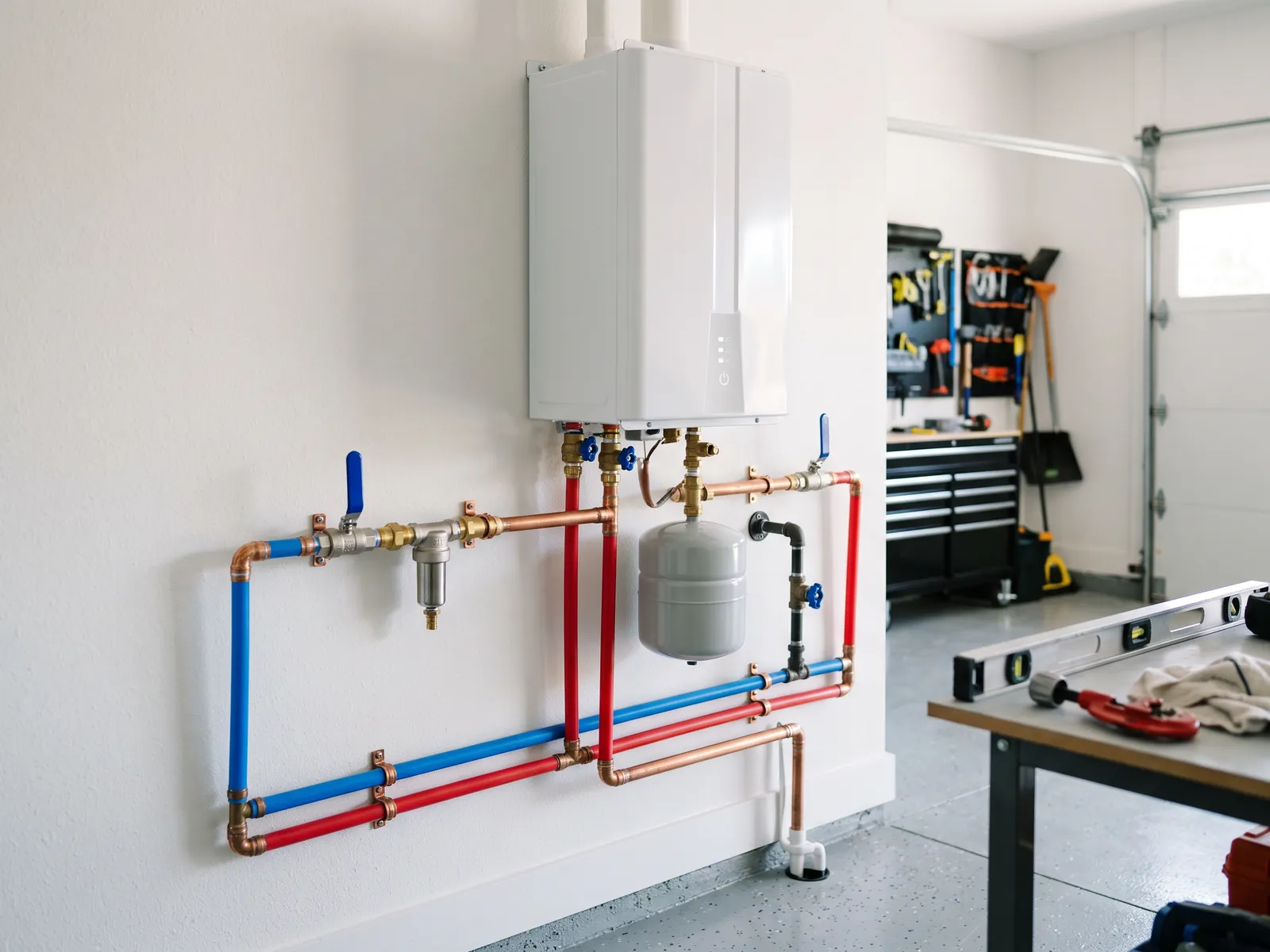
Your technician diagnoses the problem, then hands you one written price before any work begins. You approve it, they do the job, and nothing changes at the end — no surprise add-ons, no clock-watching.