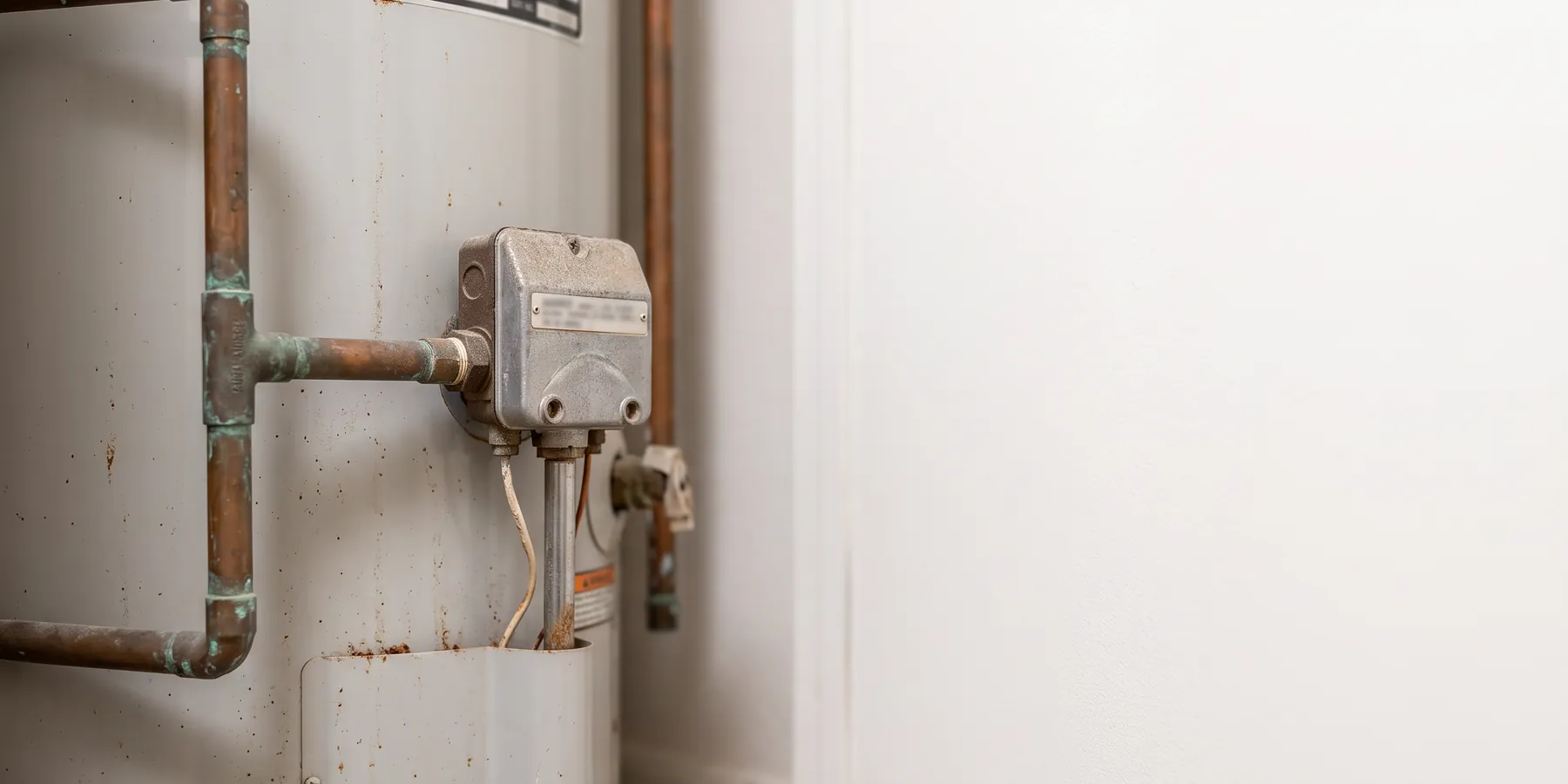
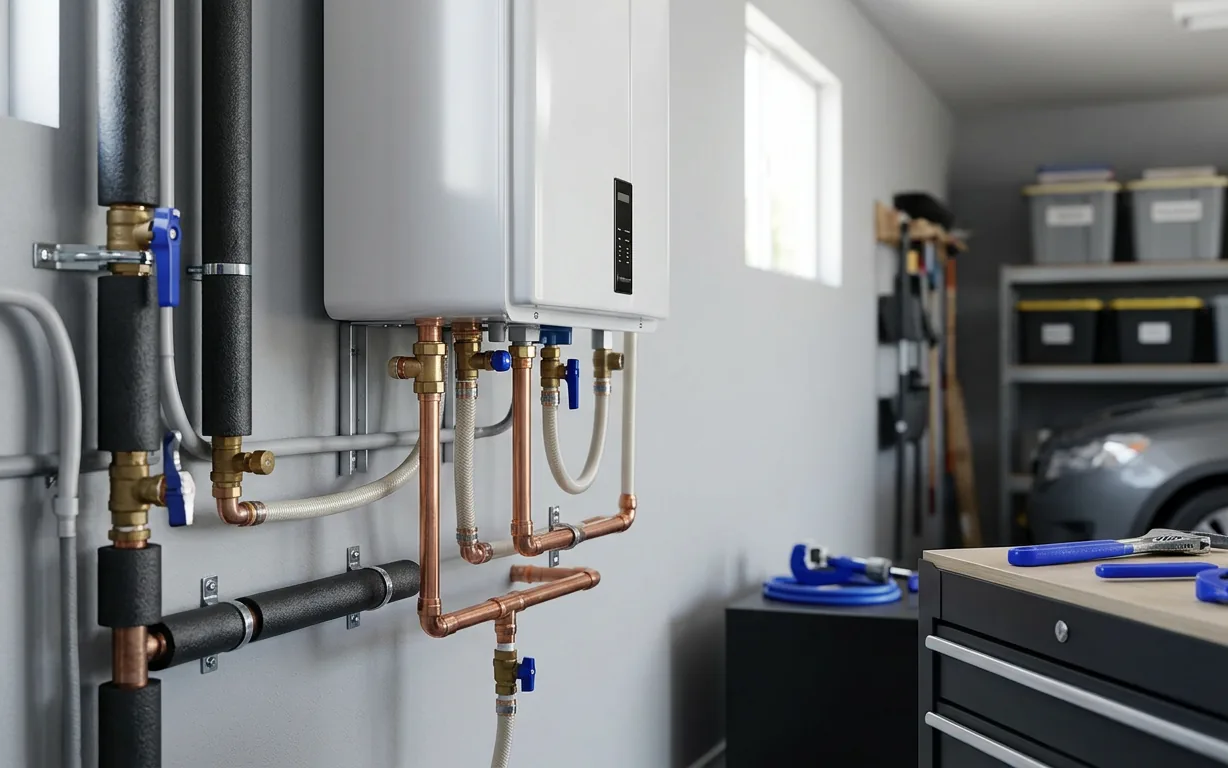
Most tank water heaters last 8 to 12 years, and tankless units often push past 20 with maintenance. But the number on the label matters less than how the unit is treated — Central Texas water is hard, and hard water shortens every heater's life.
What actually shortens a heater's life
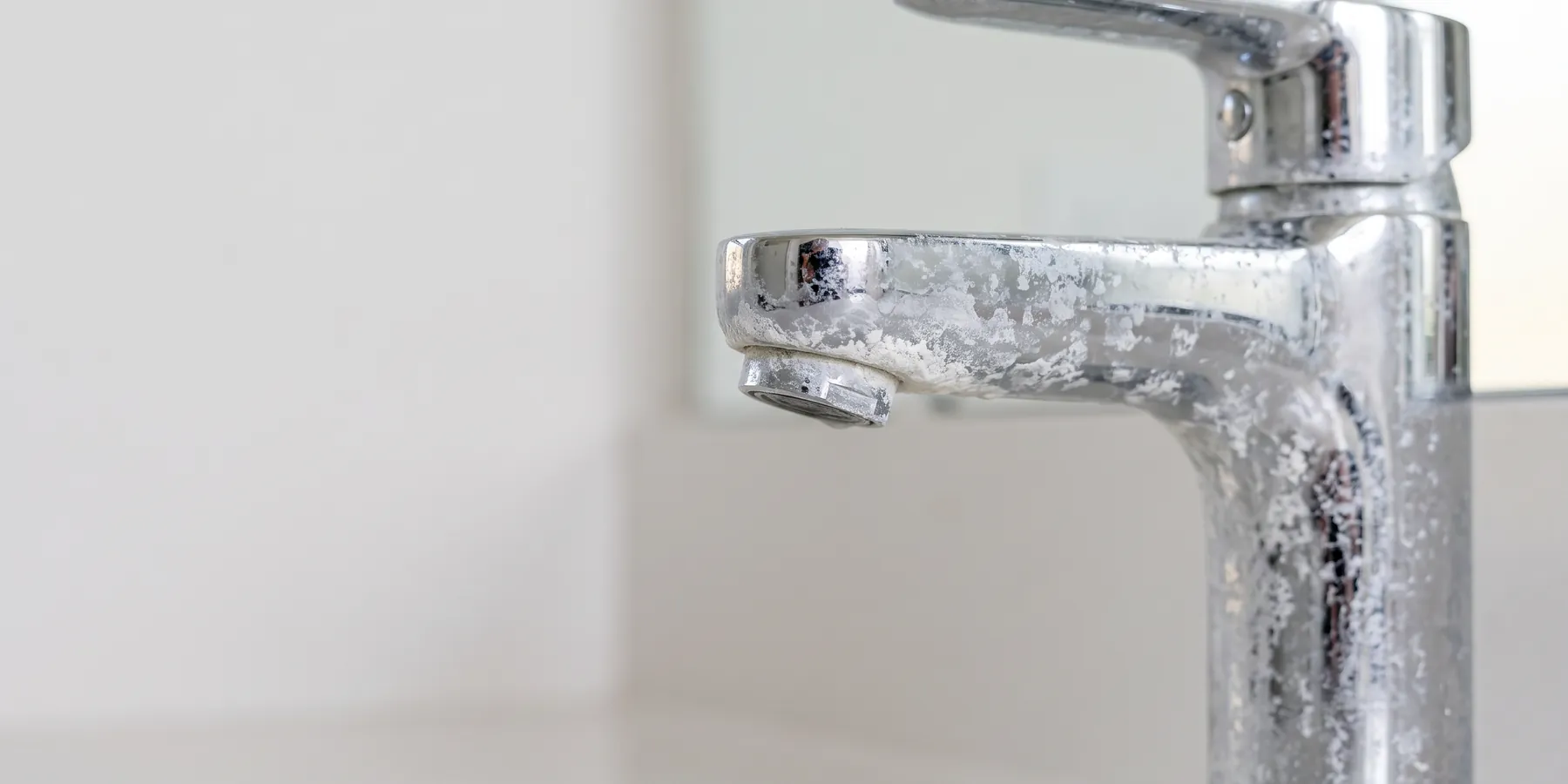
Sediment is the quiet killer. Minerals settle to the bottom of the tank, bake onto the burner surface, and force the unit to work harder for the same hot water — driving up both wear and your energy bill.
- Skipped annual flushes let sediment harden into scale
- A worn-out anode rod stops protecting the steel tank
- Water pressure set too high stresses every seam and valve
"Flush the tank once a year and replace the anode rod on schedule, and you can add years to a heater that would otherwise fail early."
Ray Delgado · Founder · Master Plumber
When repair beats replacement
Under about eight years, a single failed part — a thermocouple, heating element, or valve — is usually worth fixing. Past ten years with a leak at the tank itself, replacement is the honest call, and we'll tell you which side of that line you're on.
Maintenance that actually extends the life
The gap between a water heater that fails early and one that's still going strong years past its rated life almost always comes down to three habits, not luck. Flushing the tank once a year clears out the sediment that settles to the bottom and insulates the burner or element from the water it's supposed to be heating — skip it for a few years running and that layer hardens into scale that's much harder to remove. The anode rod is the part most homeowners have never heard of, and it's doing quiet work the whole time: it's designed to corrode instead of your steel tank, sacrificing itself to protect the metal around it. Once it's used up, the tank starts corroding directly, so checking it every couple of years and swapping it before it's gone is one of the cheapest ways to add years to a heater. The T&P valve is the safety piece — testing it confirms it will actually release pressure if the tank ever needs it to, rather than finding out it's seized the one time it matters. None of that is expensive or time-consuming. It's just the difference between a heater that gets attention and one that doesn't.
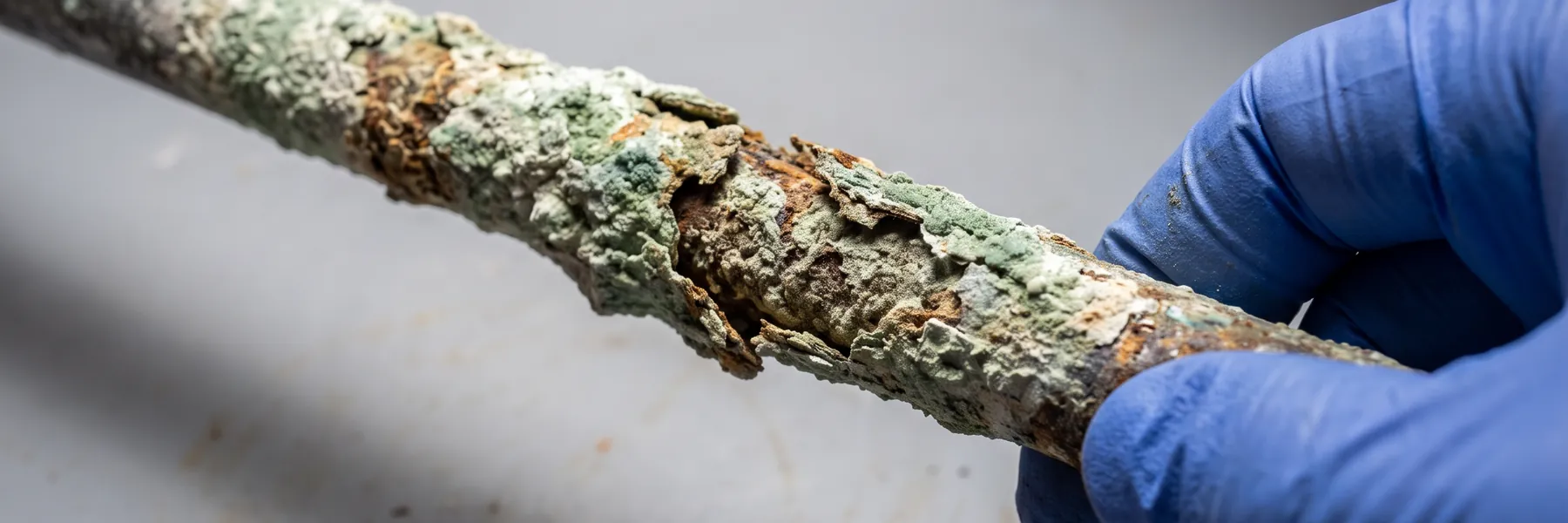
A corroded anode rod pulled from a 9-year-old tank.
Not sure where yours stands? A quick inspection tells you the tank's real condition — and we'll give you the straight answer, not the expensive one.